What the Mountain Is Telling You: A Rider's Guide to Decoding Snow in Real Time
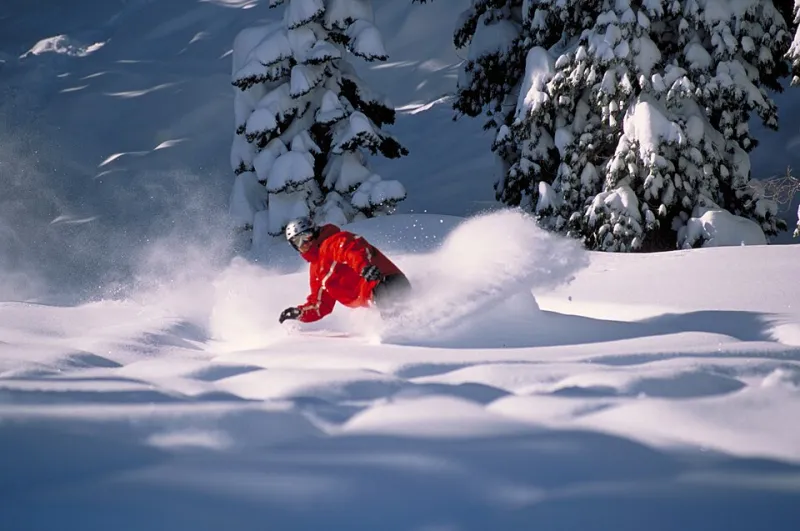
Photo: Unknown authorUnknown author or not provided, Public domain, via Wikimedia Commons
Every experienced snowboarder has had that moment — the one where the mountain throws something unexpected at you and your body has to figure it out before your brain catches up. Maybe it's a patch of bulletproof ice hiding under a thin layer of fresh powder. Maybe it's heavy, wet spring snow that grabs your edge and sends you tumbling. The riders who navigate those moments cleanly aren't just lucky. They've learned to read the mountain.
Reading snow isn't some mystical skill reserved for pros. It's a practical, learnable set of observations that — once you start paying attention — completely changes how you ride. Think of it as the difference between reacting to the mountain and having a conversation with it.
Why Snow Conditions Change More Than You Think
Here's something a lot of beginner and intermediate riders don't fully appreciate: the snow on a mountain is a living, constantly shifting environment. Temperature swings, sun exposure, wind, traffic from other riders, and time of day all reshape the surface beneath your board — sometimes within the span of a single run.
At resorts across the Rockies and the Sierra Nevada, mornings often start with firm, groomed corduroy that rewards precise edge work. By early afternoon, solar radiation and foot traffic can turn those same groomers into heavy, chopped-up mashed potatoes. In the East — think Vermont or New Hampshire — you're frequently dealing with a completely different beast: ice-heavy conditions that punish loose technique and reward a calm, centered stance.
Understanding why these changes happen is the first step toward adapting to them in real time.
Temperature is the biggest driver. Snow below 25°F tends to be dry, light, and fast — great for float in powder but unforgiving if you catch an edge on hardpack. As temps climb above freezing, snow crystals bond differently, creating that sticky, slow quality you feel in spring conditions. The sweet spot — somewhere in the mid-20s to low 30s — is usually when groomers ride best.
Density is what you feel when you push a pole or your boot into the snow. Light, low-density snow compresses easily and forgives mistakes. Dense, high-moisture snow is heavier and slower, requiring more power to initiate turns and more body weight to drive through them.
Texture is what you see and hear. Glassy, reflective surfaces mean ice. A matte, chalky look usually signals dry, cold powder or wind-affected snow. Wet, dark-looking snow is saturated — expect drag and unpredictable edge grip.
How the Pros Think About It
We talked to a handful of coaches and seasoned riders about their mental approach to conditions, and a few themes kept coming up.
"I do a quick scan every time I get on the lift," said one backcountry coach based out of Colorado. "I'm looking at the aspect — which direction the slope faces — because that tells me a lot about what the sun has done to it. A south-facing slope at 2 p.m. is going to be completely different from a north-facing one in the same resort."
Another competitive freeride athlete described what she calls a "feel run" — a slower, exploratory first lap where she's not pushing hard, just gathering information. "I'm testing edge grip, feeling for soft spots, noticing where the snow transitions. That run is an investment. Every run after it is better because of it."
The common thread? Intentional observation. None of these riders are just pointing it and hoping for the best. They're building a mental map of what the mountain is doing — and adjusting their approach accordingly.
Seasonal Snow: A Quick Breakdown
Thinking seasonally helps you set expectations before you even click into your bindings.
Early Season (November–December): Coverage is often thin and inconsistent. Man-made snow dominates at most resorts, and it tends to be denser and icier than natural snow. Keep your speed in check, watch for exposed rocks or dirt patches, and focus on precision over aggression.
Mid-Winter (January–February): This is the golden window for most of the US. Cold temperatures keep snow dry and consistent. Natural snowfall is at its peak in most regions. Conditions are generally the most forgiving and the most fun. That said, wind slabs and variable powder conditions in the trees require attention — just because it looks fluffy doesn't mean it'll ride that way.
Late Season (March–April): Spring riding is its own art form. Mornings can still be firm and fast, but afternoons turn soft fast. The key is timing — get out early, take a break during the warmest part of the day, and come back out around 3–4 p.m. when the surface softens up just right. Wet snow also increases avalanche risk in the backcountry, so stay informed.
Practical Tips for Developing the Skill
If you're newer to this kind of intentional riding, here's how to start building the habit without overthinking it.
Before you drop in: Look at the surface. Is it shiny or matte? Are there tracks or is it untouched? Can you see wind effect — those small ripples or hard ridges that indicate wind-packed snow? Give yourself 10 seconds of observation before every run.
On your first turn: Feel for edge grip. Does the board hold cleanly, or does it want to slide out? That first turn tells you a lot about how aggressively you can ride the rest of the run.
Mid-run adjustments: Stay loose in your ankles and knees. Rigid riding is the enemy of adaptability. The more relaxed your lower body, the faster you can absorb unexpected changes in texture without getting thrown off balance.
After each run: Do a quick debrief in your head. What surprised you? Where did you feel the most confident? Where did you lose edge grip? This kind of low-key reflection builds pattern recognition over time.
The Bottom Line
Riding smart isn't about slowing down — it's about being aware. The mountain rewards the riders who pay attention, who adjust their stance and speed and edge pressure based on what the snow is actually doing rather than what they wish it was doing.
Once you start thinking this way, every run becomes a little more interesting. You're not just going down the mountain — you're in a dialogue with it. And the more fluent you get in that language, the better every ride becomes.
So next time you're in the lift line, look down at the snow beneath your boots. It's already telling you something. The question is whether you're listening.