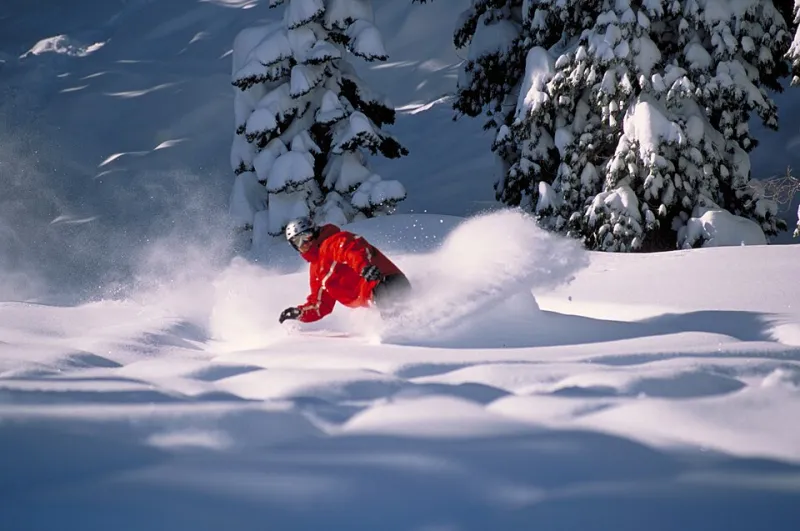
Stay Sharp All Summer: The Off-Season Training Playbook Every Snowboarder Needs
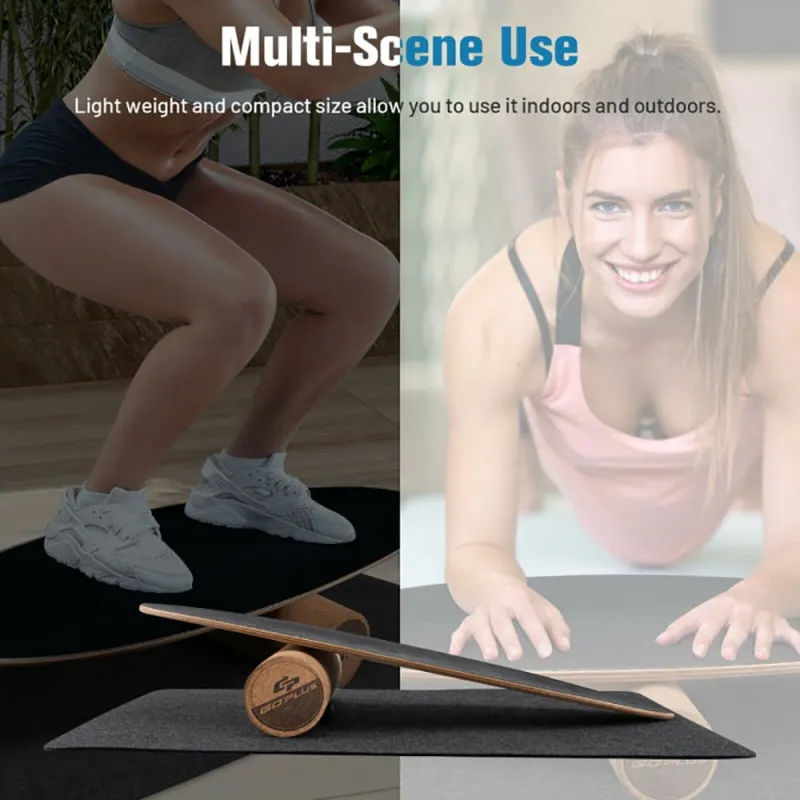
Photo: athlete balance board training home gym summer workout fitness, via image.fitnessironclub.com
Let's be honest — the end of ski season hits hard. One week you're stomping laps and feeling locked in, and the next you're watching the snow melt and wondering how you're going to survive until November. The off-season is long, especially if you're based somewhere like Texas or Florida where the nearest mountain might as well be on another planet.
But here's the thing: the gap between where you are at the end of one season and where you want to be at the start of the next one? That gap gets closed in the summer. The riders who come out of the gates charging in early season aren't just naturally gifted — they've been training. And a lot of that training doesn't require a mountain, a lift ticket, or even cold weather.
Here's how to build a legit off-season setup that keeps you sharp, fit, and mentally connected to riding — no matter where you live.
1. Start With a Balance Board (Seriously, Don't Skip This)
If there's one piece of off-season gear that delivers the most bang for your buck, it's a balance board. These things are cheap, compact, and surprisingly effective at replicating the core demands of snowboarding — weight distribution, edge pressure, hip alignment, and reactive ankle movement.
For snowboarders specifically, a rocker board (a flat deck sitting on a cylindrical roller) is the most applicable option. It mimics the side-to-side weight transfer you use when linking turns. Indo Board and Revolution Balance Board both make solid options in the $80–$150 range.
How to use it: Start with basic balance — just standing on the board without the roller touching the ground on either side. Once that's comfortable, start practicing weight shifts from toe edge to heel edge, mimicking your turn initiation. Advanced users can add squats, rotation, or even simulate jumps and landings.
Spend 10–15 minutes a day on this thing and your proprioception — your body's awareness of its own position — will be noticeably sharper come first chair.
2. Hit an Indoor Trampoline Park
These places are everywhere now — Sky Zone, Altitude Trampoline Park, and similar venues have locations in most major US cities. And while they're mostly associated with kids' birthday parties, they're genuinely useful training tools for snowboarders.
Trampoline time develops air awareness — that crucial ability to know where your body is when you're not in contact with the ground. Spins, grabs, and landing mechanics all translate directly from trampoline to snow. A lot of freestyle riders and park enthusiasts use foam pit sessions specifically to learn new tricks before committing to them on a jump.
What to focus on: Work on your takeoffs (clean pop, centered position), your body position in the air (compact and controlled), and your landing stance (soft knees, weight centered). Even just jumping and landing in a snowboard-like stance — feet shoulder-width apart, slightly sideways — builds muscle memory.
Most trampoline parks charge $15–$25 for an open jump session. Go once a week and you'll be surprised how quickly your air awareness improves.
3. Build a Snowboard-Specific Gym Routine
Snowboarding is a full-body sport, but it places particular demands on a few key areas: your legs and glutes for power and edge control, your core for stability and rotation, and your ankles for balance and responsiveness. A gym routine built around those priorities will pay dividends on the mountain.
Lower body: Bulgarian split squats, single-leg Romanian deadlifts, and lateral lunges are your best friends. These movements build the unilateral (single-leg) strength that snowboarding relies on constantly. Add some wall sits to specifically target that quad burn you feel on long groomer runs.
Core: Forget crunches. Focus on anti-rotation and stability work — Pallof presses, dead bugs, plank variations, and cable woodchops. Snowboarding requires your core to resist rotation while your hips and legs initiate turns. Train it that way.
Ankles and mobility: Calf raises, ankle circles, and banded ankle work keep your joints healthy and responsive. Add hip flexor stretching and thoracic spine mobility work to improve your overall riding posture.
Aim for 3 sessions per week, 45–60 minutes each. Pair strength work with cardio — cycling, hiking, or swimming all build the aerobic base you need for long days on the mountain.
4. Try Skateboarding or Surfing
This one's more lifestyle than workout, but the carryover is real. Skateboarding — especially transition skating in a bowl or at a skate park — develops the same hip rotation, weight distribution, and edge-to-edge feel that makes great snowboarders. Many of the best park riders in the world are avid skaters in the off-season.
Surfing is the other obvious crossover, particularly for riders who focus on powder and freeride. The feeling of a surfboard responding to weight shifts in water is remarkably similar to riding deep snow. If you're anywhere near a coast — California, the Carolinas, the Gulf — it's worth picking up a board and getting in the water.
Can't access either? Longboarding or carving skateboards (brands like Carver make boards specifically designed to mimic snowboard turns) are great substitutes and work on any flat surface.
5. Visualization: The Mental Rep That Most Riders Ignore
Here's the training tool that costs exactly zero dollars and gets almost no attention: visualization. Elite athletes across every sport use mental rehearsal as a core part of their training, and snowboarding is no exception.
The idea is simple — close your eyes and mentally ride a run or execute a trick in as much detail as possible. Feel the board beneath your feet, hear the snow, sense the wind. Research consistently shows that mental rehearsal activates many of the same neural pathways as physical practice.
How to do it: Find a quiet space, close your eyes, and spend 5–10 minutes riding a run you know well. Focus on specific technique — your stance at takeoff, your edge angle through a carve, your landing position. If you're working on a new trick, visualize the full sequence from setup to landing, including a clean, controlled finish.
Do this a few times a week, especially in the weeks leading up to your first trip of the season. You'll be surprised how quickly your body recalls those movements when you're actually on snow.
6. Budget-Friendly Alternatives
Not everyone has the budget for gym memberships, trampoline parks, and skate setups. Here are some low-cost options that still deliver real results:
- Wobble cushions ($15–$30): Inflatable balance discs you can stand on while watching TV or working at a desk. Surprisingly effective for ankle stability.
- Resistance bands ($10–$20): Versatile tools for hip, glute, and ankle work. A full lower-body routine is possible with just a set of bands.
- Hiking: Free, accessible almost everywhere, and excellent for building leg endurance and mental focus. Hit a trail with elevation and you're building exactly the kind of fitness that translates to long mountain days.
- YouTube tutorials: Channels dedicated to snowboard technique have exploded in recent years. Watching high-quality slow-motion footage of turn mechanics and jump technique counts as legitimate study time.
The Big Picture
The off-season isn't a pause in your snowboard progression — it's a continuation of it by other means. Every balance board session, every gym workout, every skate park afternoon is a deposit in the bank that you'll cash out the moment you click into your bindings for the first time each season.
The mountain doesn't care how long it's been since your last run. But your body and mind do. Keep them ready.
Ride hard. Even in July.