Too Tight to Ride: How Your Gear Is Cutting Off Circulation and Stealing Your Best Days on Snow
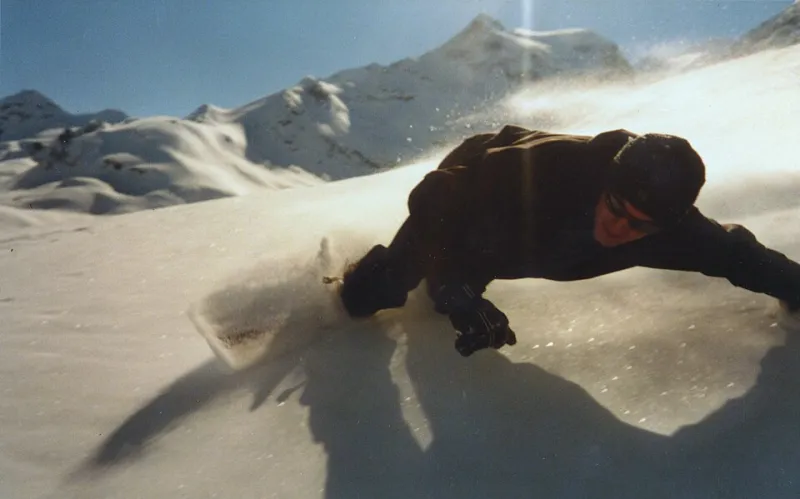
Photo: Pittigrilli~commonswiki derivative work: Mussklprozz, CC BY-SA 4.0, via Wikimedia Commons
It's 8°F at the base lodge, wind chill pushing it closer to zero, and you're doing what any sensible rider does — layering up and locking everything down. Extra sock liner, boot buckles maxed out, binding straps cranked until your feet feel like they're in a vice. Tight means secure, right? Tight means warm?
Wrong. And it's probably the most expensive mistake you're making on the mountain — not in dollars, but in lost runs, early quits, and cold-weather injuries that didn't have to happen.
Let's talk about what's actually going on inside your body when your gear is squeezing the life out of you.
What Cold Air Does to Your Blood Before You Even Strap In
Your body is a survival machine. The second ambient temperature drops, it starts pulling blood away from your extremities — your hands, feet, and skin — and redirecting it toward your core to protect your vital organs. That's vasoconstriction, and it's completely automatic. You don't get a vote.
Here's the problem: when you layer too aggressively or tighten your gear past the point of function, you're essentially helping your body do something it's already doing too well. You're adding external pressure on top of internal pressure, and the blood flow your hands and feet desperately need gets throttled even further.
The result? Numbness sets in faster. Fatigue hits earlier. Your fine motor control — the stuff that actually makes you a better rider — starts breaking down within the first hour. And once that feedback loop starts, it's hard to reverse without getting off the hill entirely.
The Gear Pieces Riders Most Commonly Overtighten
Not all compression is equal, and not all gear is equally likely to cause problems. But there are a few consistent offenders.
Boots are the number one culprit. Cold mornings make riders panic-tighten their laces or BOA dials because their feet feel cold in the parking lot. But your feet will warm up once you start moving — and if your boots are cinched too tight, that warmth never gets a chance to circulate properly. Overtightened boots compress the dorsal veins on the top of your foot, reduce ankle mobility, and cause the exact foot cramping and toe numbness that sends riders to the lodge early.
Binding straps are a close second. The ankle strap in particular runs right over the top of the foot, and when it's cranked down beyond what's needed for control, it acts like a tourniquet across the very area where blood needs to flow freely. More pressure does not equal more response — after a certain point, you're just cutting off circulation.
Base layers and mid-layers that are sized too small create constant pressure across larger surface areas — thighs, calves, the back of the knee. Compression gear has its place in athletic performance, but it needs to be fit-specific and intentional. Grabbing a medium when you need a large because it "feels tighter and warmer" is a trap that affects bloodflow across your whole lower body.
Wrist seals and glove cuffs are sneaky ones. Riders often overlap their glove cuff tightly over their jacket sleeve to keep snow out, which makes sense. But when that overlap is too aggressive, it creates a band of pressure right at the wrist — exactly where blood vessels and nerves are closest to the surface.
The Physiology Is Simple Once You See It
Think of your circulatory system like a garden hose. Blood pressure keeps things moving. But if you put your thumb over the end of that hose — or kink it somewhere in the middle — flow drops off fast. External compression from tight gear does the same thing to your veins and capillaries.
Reduced blood flow means reduced oxygen delivery to your muscles. Reduced oxygen means faster fatigue. Faster fatigue means your legs feel dead by early afternoon, your edge control gets sloppy, and your reaction time slows down — which is when falls happen.
And in genuinely cold conditions, there's a more serious risk sitting at the far end of that spectrum: frostnip and frostbite. These aren't just issues for backcountry riders caught in a storm. They can happen to a lift-served park rider on a cold Tuesday in Vermont if their circulation is compromised enough. Tight gear is a contributing factor that almost never gets mentioned in those conversations.
A Smarter Layering and Fit Strategy
The goal is warmth without compression. These two things are not in conflict — you just have to be deliberate about how you build your kit.
Start with fit, not thickness. A properly fitted base layer that moves with your body will trap more warmth than an undersized one that squeezes. Same goes for socks — one well-fitted, moisture-wicking ski sock will outperform two pairs of cotton crew socks every time. Two pairs also bunch inside the boot, creating pressure points that restrict flow.
Boot fit should allow toe wiggle. Your toes shouldn't be pressed against the front of the boot when you're standing upright. You want snug heel hold and midfoot support, but your toes need room to move. That movement is part of how circulation stays active. Tighten your boots to a 7 out of 10, not a 10 out of 10.
Binding straps: functional, not maxed. Your ankle strap should hold your heel in place and eliminate heel lift. Your toe strap should secure the front of your boot without pressing the top of your foot down aggressively. If you're cranking both straps as tight as they'll go, you're compensating for something else — usually a boot fit issue — and your circulation is paying the price.
Layer for ventilation, not just insulation. The best cold-weather systems trap warmth while allowing moisture to move. Base layer wicks. Mid-layer insulates. Shell protects. When every layer is too tight, moisture gets trapped close to the skin, which actually accelerates heat loss. Loose enough to breathe means warm enough to last.
Check in with your extremities on the chair. Use every lift ride to wiggle your toes and flex your fingers. If you can't feel your toes by the second run, something is too tight — and it's better to loosen a strap at the top of the lift than to gut out three more runs and end your day early.
Ride Longer by Letting Go a Little
There's a counterintuitive truth sitting at the center of all of this: the riders who stay on the mountain the longest aren't the ones who locked everything down the hardest. They're the ones who dialed in their fit carefully, layered with intention, and trusted their gear to do its job without being forced into it.
Tight gear feels like control. But real control comes from a body that's warm, mobile, and circulating properly — not one that's fighting its own equipment just to make it to lunch.
Loosen up a little. Your best runs might be waiting on the other side of that adjustment.