Locked In: How to Choose Bindings That Actually Match the Way You Ride
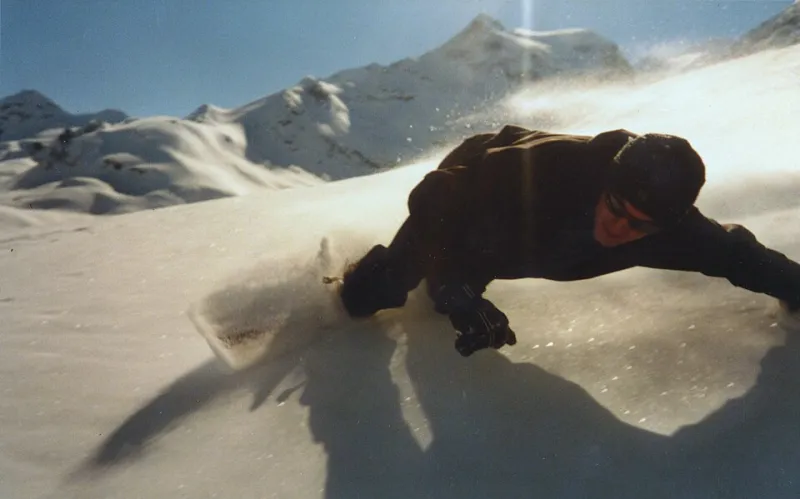
Photo: Pittigrilli~commonswiki derivative work: Mussklprozz, CC BY-SA 4.0, via Wikimedia Commons
Walk into any core snowboard shop in the US and you'll find a wall of bindings that all look vaguely similar and cost anywhere from $120 to $450. Ask a first-timer what the difference is and you'll usually get a shrug. Ask a seasoned rider and you'll get a twenty-minute monologue. The truth, as usual, lives somewhere in the middle.
Bindings are the mechanical and physical bridge between your body and your board. Every input you make — every edge check, every weight shift, every micro-adjustment on a variable surface — travels through your bindings before it reaches the snow. Choosing the wrong ones doesn't just feel bad. It actively works against your riding.
So let's cut through the noise.
Understanding Flex: The Number That Changes Everything
Flex rating is the single most important spec to understand when you're shopping bindings, and it's also the most misunderstood. Ratings typically run from 1 (noodle-soft) to 10 (tank-stiff), though most brands cluster their offerings in the 3–8 range. Here's what those numbers actually mean for your riding:
Soft flex (1–4): These bindings are forgiving, playful, and easy to initiate turns on. They're the go-to for park riders, beginners, and anyone who prioritizes buttering, jibbing, or freestyle expression over precision at speed. The tradeoff is that they can feel squirrelly on hard-pack or at higher velocities — there's a reason you don't see many pipe specialists on soft setups.
Medium flex (4–6): The sweet spot for most all-mountain riders. You get enough response to feel confident on groomers and moderate steeps, while retaining enough forgiveness to have fun in varied conditions. If you ride a mix of terrain and you're not sure where to start, medium flex is almost always the right answer.
Stiff flex (7–10): Built for riders who demand precision. Stiff bindings transfer energy quickly and directly, which is exactly what aggressive carvers, big mountain riders, and racers need. The catch is that they're punishing on anything less than perfect technique — mistakes get amplified, not absorbed.
One thing worth noting: flex ratings aren't standardized across brands. A "6" from one manufacturer can feel very different from a "6" out of another. When possible, flex the binding in your hands before you buy, or read reviews from riders who describe their style in terms you recognize.
Strap vs. Rear-Entry: An Honest Comparison
This debate has been running since rear-entry (speed-entry) bindings first showed up, and it's still worth addressing because marketing tends to oversell both sides.
Strap bindings remain the industry standard for good reason. They offer a highly customizable fit, excellent energy transfer, and broad compatibility with most boot styles. They take a few extra seconds to get in and out of, but experienced riders barely notice. The vast majority of performance-oriented setups — park, freeride, all-mountain — use straps.
Rear-entry bindings (think Flow, Burton Step On, and similar systems) have improved dramatically and are genuinely worth considering for certain riders. If you're doing a lot of cat skiing, side-country laps, or you ride with young kids and spend half your day strapping in and out, the convenience factor is real. The tradeoff is slightly reduced customization and, in some systems, marginally less precise energy transfer at the extremes of performance.
Bottom line: if you're a performance-first rider, straps. If convenience matters as much as performance in your specific riding context, rear-entry is no longer a compromise — it's a legitimate option.
Baseplate Materials and Why They Matter
This is where a lot of riders' eyes glaze over, but stick with us. The baseplate is what sits between your boot and your board, and its material composition directly affects how your setup feels underfoot.
Plastic baseplates are standard on entry-level and mid-range bindings. They're lightweight and do the job, but they can feel a bit dead — less direct communication between your movements and the board's response.
Composite and fiberglass-reinforced baseplates offer a more lively feel and better energy transmission without adding significant weight. Most mid-to-high-end bindings land here.
Aluminum and carbon baseplates are the premium tier. They're stiffer, more responsive, and more durable under repeated stress. You'll find them on bindings aimed at aggressive riders who want every input to register immediately. The weight penalty is minimal; the price penalty is not.
A Simple Decision Framework
Not sure where to start? Work through these four questions:
-
Where do you spend most of your time on the mountain? Park and pipe → lean soft. Groomers and all-mountain → go medium. Steeps, big lines, aggressive carving → consider stiff.
-
How would you describe your riding style? Playful and expressive → softer. Precise and powerful → stiffer. "It depends on the day" → medium, always.
-
What's your boot flex? Your binding and boot flex should be in the same general neighborhood. A stiff boot in a soft binding creates a mushy, disconnected feel. A soft boot in a stiff binding can be uncomfortable and overly demanding.
-
What's your budget? Spend what you can, but prioritize fit and flex match over brand name. A well-fitting mid-range binding will outperform a premium binding that's wrong for your style every single time.
What Riders Actually Say
Talk to enough experienced riders about their binding setup and a pattern emerges: the biggest gear-related improvements in their riding came not from chasing the most expensive option, but from finally matching their binding flex and geometry to how they actually ride — not how they imagined they rode.
One longtime all-mountain rider from the Pacific Northwest described switching from a stiff setup (bought because it looked like what the pros ride) to a medium-flex binding as "like finally taking my boots off after a long day." The board became easier to initiate turns on, and his confidence on variable terrain went up noticeably within a single trip.
Another rider, a park-focused snowboarder from Utah, spent two seasons fighting a medium-flex binding before dropping to a soft setup. "I kept thinking my technique was the problem. Turns out I was just working against my own equipment."
The Right Binding Doesn't Make You — But the Wrong One Can Break You
No binding is going to turn a beginner into an expert or make difficult terrain suddenly easy. But the right binding will get out of your way and let your actual skills do the work. The wrong one will fight you on every run, and you'll spend your energy compensating for your gear instead of riding.
Take the time to understand what you need. Ask questions at your local shop. Demo if you can. And remember — the best setup isn't the one with the most hype. It's the one that disappears beneath your feet and lets you just ride.