Build a Snowboarder's Body Without a Gym: The No-Excuses Off-Season Workout Guide
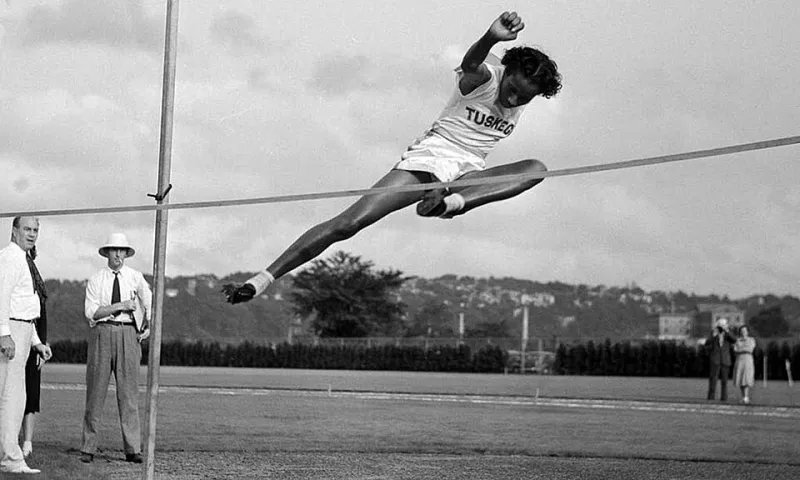
Photo: berria.eus, CC BY-SA 4.0, via Wikimedia Commons
Let's be honest — most of us spend the off-season telling ourselves we'll train harder this year. Then July rolls around, the gym membership goes unused, and by the time the first snowfall hits, we're right back to getting absolutely destroyed on day two of the trip because our legs gave out on the afternoon runs.
This year, let's actually do something about it. And no, you don't need a CrossFit membership or a home gym setup that costs more than your board. What you need is a targeted plan, some floor space, maybe a resistance band, and the discipline to stick with it.
Why Generic Fitness Doesn't Cut It for Snowboarders
Snowboarding makes specific physical demands that most standard workout routines don't address. You're constantly in a low, athletic position — knees bent, hips loaded, core braced. You're making quick lateral movements, absorbing variable impact, and maintaining balance on an unstable surface while your lower body works overtime.
Standard gym programming focused on aesthetics or general fitness won't get you there. What you actually need is:
- Eccentric quad and hamstring strength — the kind that controls deceleration and absorbs landings
- Hip stability and glute activation — to keep your knees tracking correctly and your turns clean
- Core anti-rotation strength — not just crunches, but the ability to resist twisting forces while your lower body moves independently
- Ankle mobility and stability — arguably the most underrated element of snowboard performance
Building these specific capacities during the off-season is what separates riders who improve every year from those who plateau — or worse, get hurt.
The Foundation: Three Days a Week Is Enough
You don't need to train every day. In fact, for most recreational riders, three solid sessions per week through the spring and summer will build more functional snowboard fitness than six half-hearted gym visits. Consistency beats volume every time.
Here's a simple weekly structure to build around:
- Day 1: Lower body strength and hip stability
- Day 2: Core and upper body balance
- Day 3: Mobility, plyometrics, and ankle work
Take at least one full rest day between each session. Sleep and recovery are where the actual adaptation happens.
Day 1: Lower Body Strength and Hip Stability
Single-Leg Romanian Deadlifts (3 sets of 10 per leg) Grab a backpack with some books in it if you don't have weights. Hinge at the hip on one leg, keeping your back flat and your standing knee slightly bent. This builds the posterior chain — hamstrings, glutes, lower back — in a way that directly transfers to edge control and balance on uneven terrain.
Lateral Band Walks (3 sets of 15 steps each direction) A looped resistance band around your ankles, knees slightly bent, stepping side to side. Boring? Yes. Effective? Absolutely. This targets the hip abductors and glutes in a way that almost nothing else does, and those muscles are what keep your knees from caving on heel-side turns.
Wall Sits with Heel Raises (3 sets of 45 seconds) Hold a wall sit and periodically raise your heels off the ground. This builds isometric quad endurance — the exact type of strength you need to hold a low stance through long groomer runs — while also working your calves.
Bulgarian Split Squats (3 sets of 8 per leg) Rear foot elevated on a chair or couch, front foot out in front. These are brutal and they work. Unilateral leg work builds the kind of balanced strength that bilateral squats miss, and snowboarding is nothing if not a sport of constant single-leg loading.
Day 2: Core and Upper Body Balance
Dead Bugs (3 sets of 10 per side) Lying on your back, arms and legs extended toward the ceiling. Lower opposite arm and leg simultaneously while keeping your lower back pressed to the floor. This is anti-extension core work — the kind that keeps your torso stable while your legs do their thing on the board.
Side Plank with Hip Dip (3 sets of 12 per side) From a side plank position, lower your hip toward the floor and raise it back up. This works lateral core stability, which is critical for resisting the forces that try to fold you sideways when you're charging a steep pitch or landing off-axis.
Push-Up to T-Rotation (3 sets of 8 per side) Do a push-up, then rotate your body to a side plank and reach your top arm toward the ceiling. This builds shoulder stability and rotational control — useful for everything from absorbing unexpected terrain to throwing a method air.
Plank Shoulder Taps (3 sets of 20 taps) In a high plank, alternate tapping each shoulder with the opposite hand while keeping your hips as still as possible. Simple, effective, and a great indicator of whether your core is actually doing its job.
Day 3: Mobility, Plyometrics, and Ankle Work
This is the session most people skip, and it's arguably the most important one for injury prevention and on-snow performance.
Ankle Circles and Dorsiflexion Stretch (5 minutes) Sit on the floor with one leg extended, circle your ankle in both directions, then flex and point repeatedly. Follow that with a kneeling ankle stretch — knee forward over toe — to improve the dorsiflexion range that's essential for getting low and absorbing terrain.
Box Jumps or Jump Squats (3 sets of 8) Use a sturdy box, a step, or just jump off the ground. Focus on the landing — soft knees, controlled, balanced. Plyometric work builds the fast-twitch muscle response that helps you react to unexpected terrain changes and stick landings cleanly.
Lateral Hops (3 sets of 30 seconds) Hop side to side over a line on the floor, staying low and landing softly. This mimics the lateral loading pattern of snowboarding more directly than almost any other exercise.
Hip 90/90 Stretch (2 minutes per side) Sit on the floor with both knees bent at 90 degrees in opposite directions. This opens up hip rotation and reduces the tightness that builds up from sitting at a desk all week — tightness that will absolutely limit your turn initiation on the mountain.
Bridging the Gap to First Chair
About six weeks before your first trip of the season — whether that's a Thanksgiving weekend at Mammoth or a holiday run to Breckenridge — start increasing your plyometric volume and adding more sport-specific movements. Balance board work, single-leg stance challenges, and longer lateral hop intervals will start waking up the neuromuscular patterns that sleeping all summer.
The goal isn't to be exhausted by training. It's to show up on day one ready to ride all day, then do it again the next morning without your legs filing a formal complaint.
Ride hard, ride smart, ride free — but first, put in the work to make sure your body can back that up.