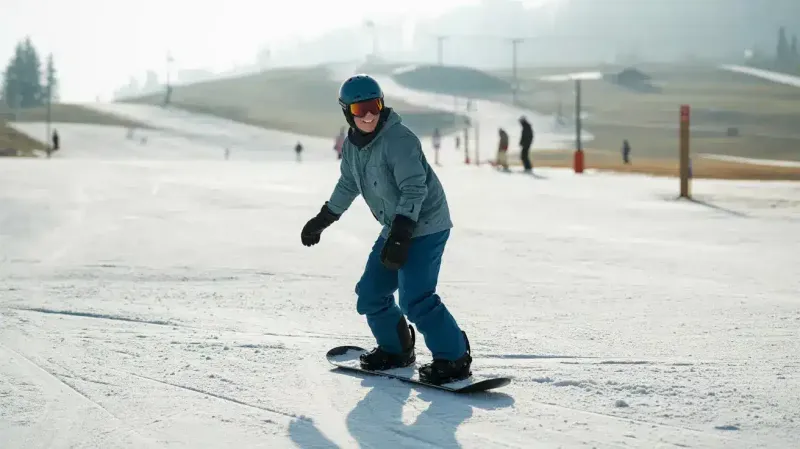
Home Is Where You Park It: The Case for Sleeping in Your Rig This Winter
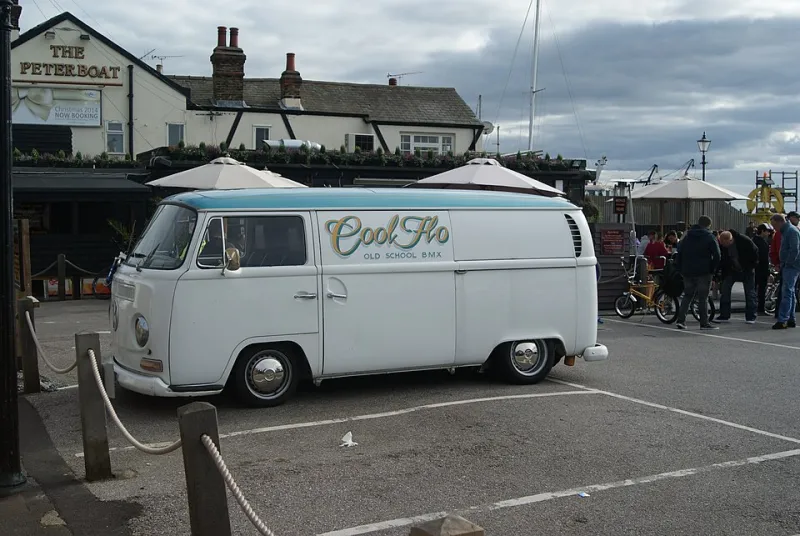
Photo: Robert Lamb , CC BY-SA 2.0, via Wikimedia Commons
Here's an opinion I'll defend: the single best performance upgrade most American snowboarders can make this winter isn't a new board, new boots, or some fancy insoles. It's a sleeping bag and a parking spot.
First Chair Belongs to the People Who Slept There
Think about what actually limits your riding. It's not usually fitness or gear — it's logistics. The 4 AM alarm. The two-hour drive. The white-knuckle pass crossing. By the time you click in, you've already spent half your energy just getting there.
Now flip it. You slept at the trailhead in your rig. You wake up, boil water, watch the sun hit the ridge, and you're in the lift line before the day-trippers have found their parking spot. First chair, fresh corduroy, zero commute. That's not a lifestyle flex — that's a performance advantage. More runs, less fatigue, and you're riding on your body's schedule instead of the interstate's.
The Rig Doesn't Have to Be Fancy
Instagram would have you believe van life means a $180,000 Sprinter with a diesel heater and walnut countertops. Ignore that. The actual baseline in every resort parking lot in America looks more like:
- A truck with a cap or a rooftop tent — the classic storm-chaser setup
- An old camper van or converted cargo van — insulation matters more than aesthetics
- A Subaru with the seats down and a good -20° bag — the entry-level honest truth
The non-negotiables are simple: warmth, ventilation (yes, crack a window — condensation will freeze your gear), and a way to manage moisture from wet boots. A cheap 12V heater, a foam sleeping pad, and dry socks stashed in your jacket do more for your riding than any gadget.
Know the Rules Before You Nap
Overnight parking policies vary wildly. Some resorts — especially in the West — openly welcome car campers in designated lots for a small fee. Others tow without mercy. A quick call to guest services or a scan of rider forums like the ones on Newschoolers and regional FB groups will save you a very cold encounter with a security truck. National forest trailheads near many resorts are legal for dispersed camping, which is exactly why the lot at the trailhead fills up by 6 AM on storm days.
The Tradeoffs Are Real — and Worth It
You will have cold mornings. You'll occasionally wake up to a frozen water bottle and question your choices. Bathrooms become a logistics problem. But every rider I know who's made the switch says the same thing: they ride more days, spend less money, and feel more connected to why they started snowboarding in the first place.
The condo crowd gets the hot tub. You get the sunrise, the silence, and first tracks. I know which one I'd pick.